Drive-Thru Solution in Saudi Arabia: The 2026 Playbook
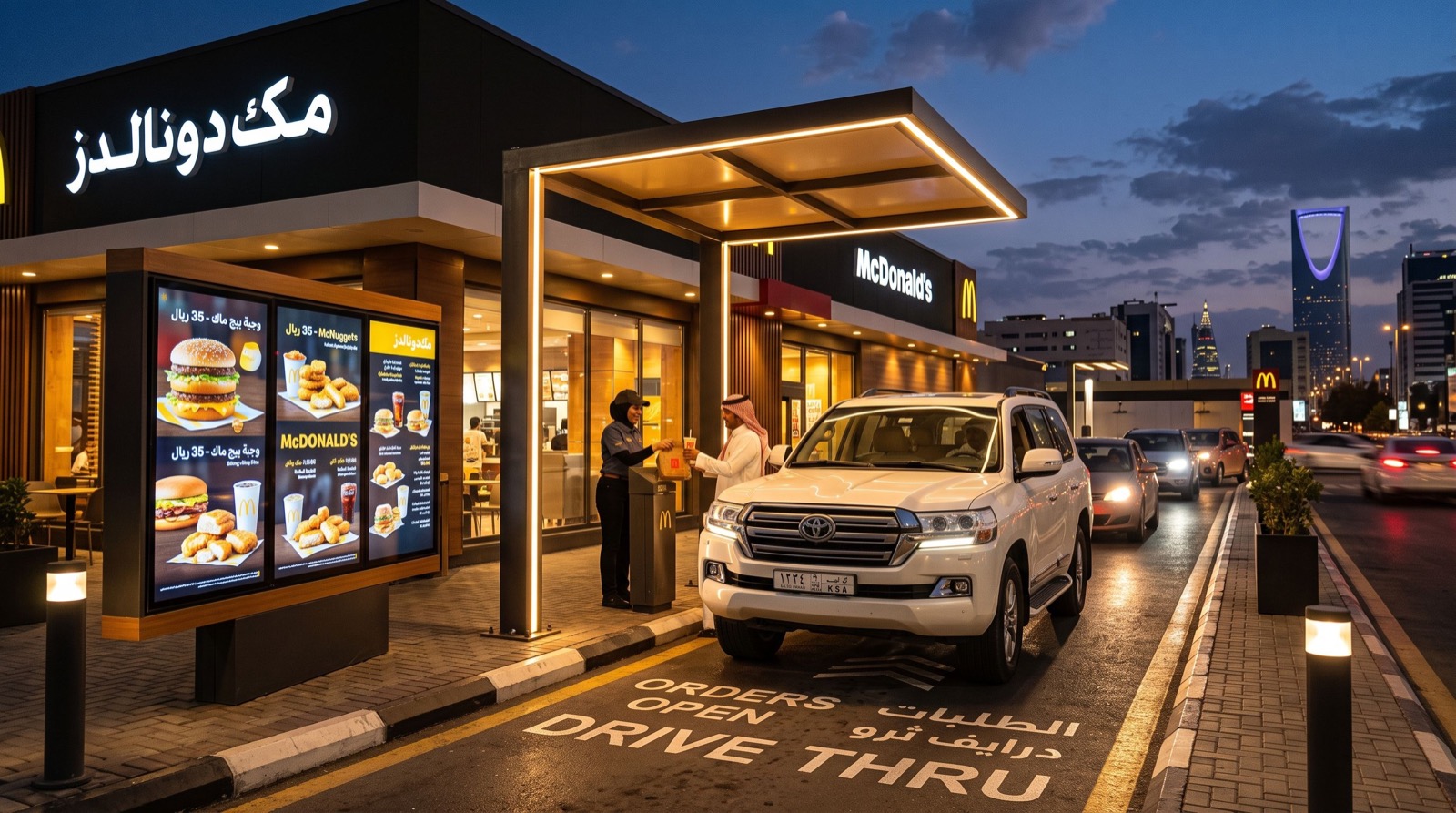
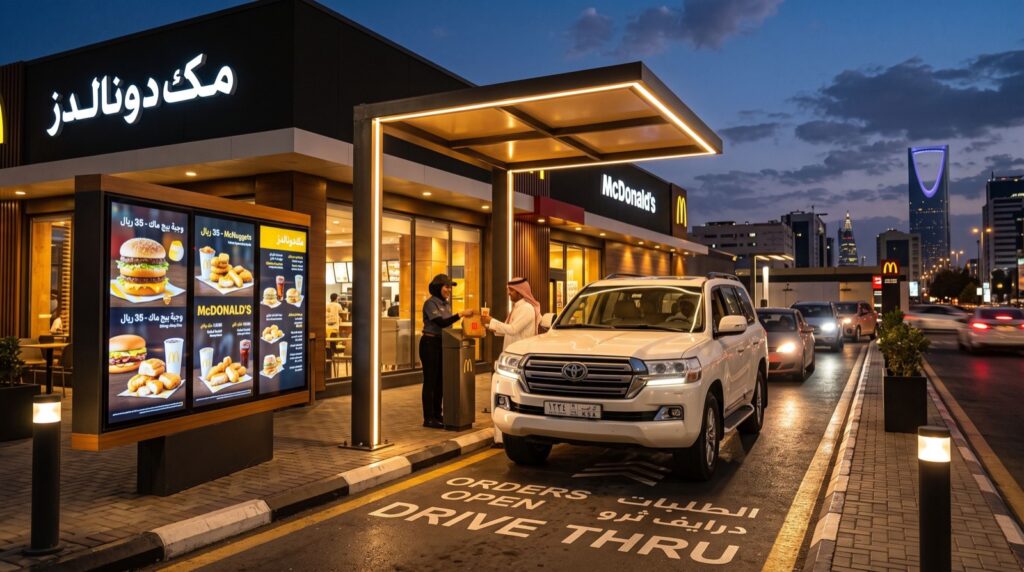
A well-built drive-thru solution in Saudi Arabia is now a competitive weapon, not a convenience add-on. From Riyadh coffee chains to Jeddah pharmacies and drive-up banking, customers expect to order, pay, and collect without leaving the car. This 2026 playbook explains the technology behind a fast lane, the metrics that matter, and how to design a drive-thru that keeps cars moving even at peak hour.
We will walk through the core hardware and software, a stage-by-stage speed table, design mistakes to avoid, and the operational data that separates a smooth lane from a frustrating bottleneck.
Why a Drive-Thru Solution in Saudi Arabia Pays Off
The Kingdom’s climate and car-first culture make drive-thru a natural fit. In summer heat, customers strongly prefer staying in an air-conditioned vehicle, and operators capture sales they would otherwise lose to the walk-in queue.
Done right, a drive-thru lifts throughput per hour, grows average order value with smart menu boards, and builds loyalty through speed. Done poorly, it creates a car jam that spills into the street and damages the brand. The technology is what decides which outcome you get.
Core Components of a Modern Drive-Thru
A high-performing lane is a connected system from the entry sensor to the collection window.
1. Order point and digital menu boards
Weatherproof displays and high-clarity audio handle orders in Arabic and English. Dynamic boards update pricing and promotions instantly.
2. Headset and intercom audio
Noise-cancelled two-way audio keeps orders accurate even with engine and wind noise, cutting costly remakes.
3. Timing and sensor system
Loop or camera sensors measure how long each car spends at every stage, exposing the exact point where the lane slows.
4. Payment and collection
Contactless payment and a fast collection window close the loop. Dual lanes or side-by-side ordering add capacity without more land.
For a complete deployment that bundles these pieces, explore a purpose-built Drive-Thru Solution in Saudi Arabia designed for the region’s climate, languages, and traffic patterns.
Speed Benchmarks: Where Seconds Add Up
Throughput is won or lost in seconds. The table below shows the key stages and realistic 2026 targets for a well-tuned lane.
| Stage | What Happens | Target Time |
|---|---|---|
| Greet | Order point acknowledges the car | Under 5 sec |
| Order | Customer places the order | 60–90 sec |
| Pay | Contactless or card payment | Under 20 sec |
| Collect | Hand-off at the window | Under 30 sec |
| Total lane time | Entry to exit | Under 3.5 min |
How Do You Design a Lane That Never Jams?
Capacity problems are usually design problems. Use this checklist before you pour concrete or sign a vendor.
- Measure peak demand — design for your busiest 15 minutes, not your average hour.
- Allow enough stacking — queue space for waiting cars so the lane never backs onto the road.
- Separate order and payment — parallel stages move more cars than one combined window.
- Add a pull-forward bay — park complex orders so they never block the window.
- Instrument everything — timing sensors reveal the real bottleneck instead of guesswork.
A field-tested tip
Add a second order point during peak hours only. Tandem ordering can lift lane capacity sharply without any new building work, and you switch it off in quiet periods to save staff. It is the cheapest throughput upgrade most operators overlook.
Connecting the Drive-Thru to Your Wider Queue Strategy
The smartest operators treat the drive-thru as one lane in a bigger service picture that also includes the counter and the phone. Unifying these flows prevents staff from over-serving one channel while another stalls.
Teams that already run a queue management system in pakistan often extend the same analytics mindset to their Saudi drive-thru, using one dashboard to balance cars, counters, and calls. Shared data makes staffing decisions obvious instead of reactive.
Whichever vendor you choose, insist on trusted professionals who install the hardware, train your crew, and provide same-region support when a menu board or headset fails at rush hour.
Measuring Success After Launch
Track these numbers weekly to keep the lane sharp:
- Average lane time — your headline speed metric.
- Cars per hour — raw throughput at peak.
- Order accuracy — a proxy for audio quality and crew training.
- Abandonment — cars that enter the lot but leave before ordering.
Food-safety and service bodies, including guidance aligned with the World Health Organization on safe food handling, remind operators that speed must never compromise hygiene at the window. Fast and safe are not trade-offs when the process is designed well.
Staffing and Peak-Hour Management
Technology sets the stage, but people run the lane. The best hardware still jams if the crew is not positioned for the rush, so staffing strategy deserves as much attention as equipment choice in 2026.
Map your demand curve first. Most Saudi drive-thrus see sharp spikes at breakfast, lunch, and the post-sunset evening window, with long quiet stretches between. Staff to the spikes, not the average.
- Assign a dedicated expediter at peak to bag orders while others take and deliver them.
- Cross-train every role so a single absence never collapses the lane.
- Rotate the order-taker often, because clear audio and focus fade under constant pressure.
- Use the timing dashboard live, not just in weekly reviews, so a supervisor can react the moment a stage slows.
One original insight from high-volume lanes: schedule a short “reset” between your lunch and evening peaks. Ten quiet minutes to restock, clean, and recalibrate headsets prevents the small failures that compound into a jam when the next rush arrives. Crews that reset consistently outperform those that simply push through, and customers feel the difference in every handoff at the window.
Frequently Asked Questions
How much space does a drive-thru solution in Saudi Arabia need?
Plan for enough car-stacking length to hold your peak queue off the public road, plus a pull-forward bay for complex orders. The exact footprint depends on expected cars per hour, so always design around your busiest 15 minutes.
Can a drive-thru work for banks and pharmacies, not just restaurants?
Absolutely. Drive-up banking, prescription pickup, and document collection all use the same order-pay-collect flow, often with added identity verification at the window.
What causes most drive-thru delays?
Combined order-and-pay windows, poor audio that forces re-orders, and complex orders blocking the collection point. Separating stages and adding a pull-forward bay removes most of the delay.
How do I keep orders accurate?
Use noise-cancelled headsets, confirm orders on the digital board, and train the crew on the timing dashboard so they see where accuracy slips.
Conclusion
A great drive-thru solution in Saudi Arabia in 2026 blends weatherproof hardware, clear bilingual audio, smart lane design, and relentless measurement. Design for your peak, separate your stages, instrument every second, and connect the lane to your wider queue strategy. Follow this playbook with a trusted local partner and your drive-thru becomes the fastest, most profitable lane you run. Ready to build it? Request a site assessment this quarter.