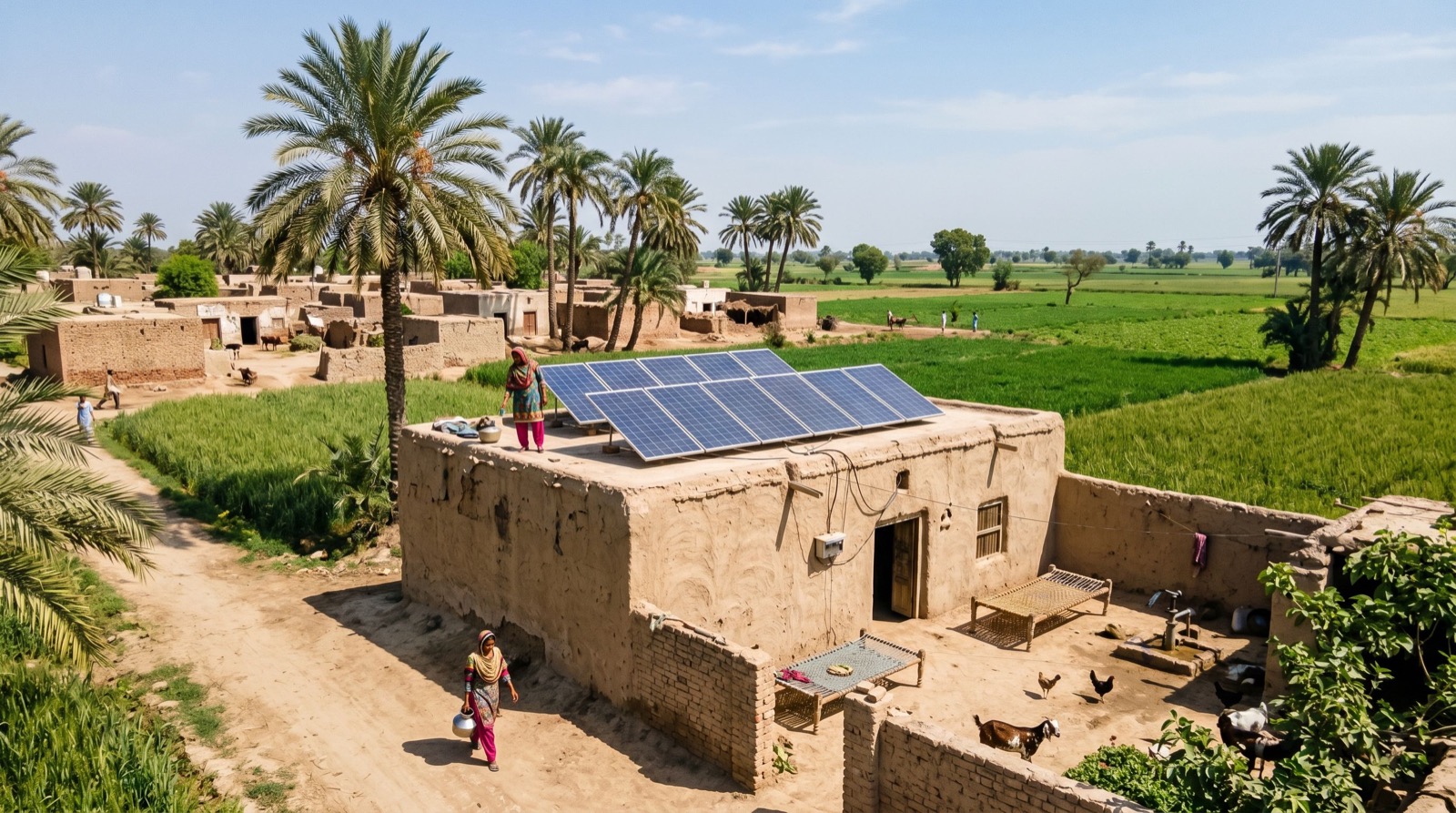
Solar Products in Pakistan: A 2026 Maintenance Playbook
Buying quality solar products in Pakistan is only half the story; keeping them clean and healthy is what protects your investment for 25 years. Many owners install a system, celebrate the first low bill, then forget about it until output quietly slips. This 2026 maintenance playbook shows you how to keep every panel, cable and inverter performing near its rated best.
The good news is that solar is remarkably low-maintenance compared with generators. A little seasonal attention, mostly cleaning and monitoring, is enough to preserve the savings you paid for.
Why maintenance keeps solar products in Pakistan performing
Pakistan’s climate is superb for generation but tough on hardware. Dust storms, urban smog and long dry spells coat panels in a film that blocks sunlight, and even a thin layer can cut output by several percent.
Heat is the other factor. Panels lose a little efficiency as they get hotter, so good airflow beneath the array and clean glass on top both matter for summer yield. Treating maintenance as routine, not an afterthought, keeps your system near its designed performance.
How often should panels be cleaned?
In dusty cities, a gentle rinse every four to six weeks during the dry season is a sensible rhythm. After a dust storm or a stretch without rain, a quick check and clean can restore noticeable output almost immediately.
A seasonal maintenance calendar
Different seasons stress the system in different ways, so a simple calendar keeps you ahead of problems. Use the table below as a year-round reference.
| Season | Main risk | Recommended action |
|---|---|---|
| Spring | Dust and pollen buildup | Clean panels, inspect mounting bolts |
| Summer | Heat, peak load | Check ventilation, monitor daily output |
| Monsoon | Storms, water ingress | Inspect seals, junction boxes and earthing |
| Winter | Fog, low sun, soiling | Clean glass, verify tilt and connections |
What a healthy system looks like
Monitoring is your early-warning system. Most modern inverters log daily generation, so comparing today’s output to a sunny day last month reveals problems long before they show up on your bill.
Keep an eye on these indicators during routine checks:
- Daily generation tracking close to seasonal expectations
- No error codes or fault lights on the inverter
- Clean, unshaded glass with no cracks or discoloration
- Tight, corrosion-free cable connections and secure mounts
- No unusual heat, buzzing or smell around the inverter
Safe cleaning done right
Cleaning panels is simple but easy to get wrong. Always work in the cool early morning or evening, never spray cold water on hot glass, and avoid abrasive brushes or harsh detergents that can scratch the anti-reflective coating.
Follow this straightforward routine:
- Check the inverter is showing normal operation first.
- Rinse loose dust with low-pressure water.
- Wipe stubborn grime with a soft brush or squeegee.
- Inspect the frame, clamps and cabling while you work.
- Log the date so you can track your cleaning rhythm.
For rooftop arrays where climbing is unsafe, hand the job to an experienced local team rather than risking a fall. Professional cleaning visits also double as a mini inspection.
Choosing durable products from the start
Maintenance is far easier when the original hardware is built to last. When you shop for solar products in Pakistan, favour corrosion-resistant mounting, quality connectors and modules with strong performance warranties, because cheap components fail faster in local heat and humidity.
According to the International Renewable Energy Agency (IRENA), solar is now among the lowest-cost sources of new electricity worldwide, and durable components are what let owners capture that value across a full 25-year lifespan.
When should you call a professional?
Handle routine cleaning yourself, but bring in specialists for electrical faults, inverter errors or any work near live DC wiring. A reputable best solar company in Pakistan can run an annual health check that catches loose connections and degradation before they cost you real money.
Understanding gradual panel degradation
Even perfectly maintained panels lose a sliver of output every year, a normal process called degradation. Quality modules typically fade by well under one percent annually, which is why a good performance warranty still guarantees around 85 percent output at year 25.
This slow decline is easy to mistake for a fault, so keep records of your system’s output in its first sunny month. Comparing future readings against that baseline tells you whether a drop is natural ageing or a real problem worth investigating.
What causes sudden drops in generation?
Sharp, unexpected falls usually point to something fixable rather than degradation. Common culprits include heavy soiling, new shading from a growing tree or a fresh construction next door, a tripped breaker, or a loose connection in the string.
Because these issues are often simple, a quick inspection frequently restores full output. That is exactly why regular monitoring pays off: you catch and fix the small things before they quietly cost you a whole season of savings.
Keeping records that protect your warranty
Warranties are only as good as the paperwork behind them. Keep your invoices, datasheets, installation photos and commissioning report together, along with a simple log of cleaning dates and any service visits.
If you ever need to make a claim, this documentation proves the system was installed correctly and maintained responsibly. It also reassures a future buyer that the array has been cared for, which supports your property’s resale value.
Frequently Asked Questions
How do I maintain solar products in Pakistan through dusty months?
Clean the glass every four to six weeks in the dry season, rinse after dust storms, and monitor daily output so you notice any soiling-related drop quickly.
Does cleaning really improve output?
Yes. Heavy dust can reduce generation by several percent, and a proper clean restores that lost output almost immediately, which adds up over a hot, dry summer.
How long do quality solar products last?
Good panels are engineered for 25 years or more, while inverters typically last around ten to fifteen years, so plan for one inverter replacement during the system’s life.
Can I maintain the system myself?
You can safely handle cleaning and visual checks. Leave electrical repairs, inverter faults and any live-wiring work to trained professionals for safety and warranty reasons.
Final thoughts
Well-chosen solar products in Pakistan can power your home for a quarter of a century, but only if you give them light, seasonal care. Clean the glass, watch the numbers, tighten what needs tightening, and call in experts for anything electrical.
Treat maintenance as a simple habit in 2026 and your rooftop will keep delivering the full savings you invested in, year after sunny year.